
From Mic to “LOC Mixtape” — Behind the Scenes of audiyo-yo’s Latest Hit Podcast
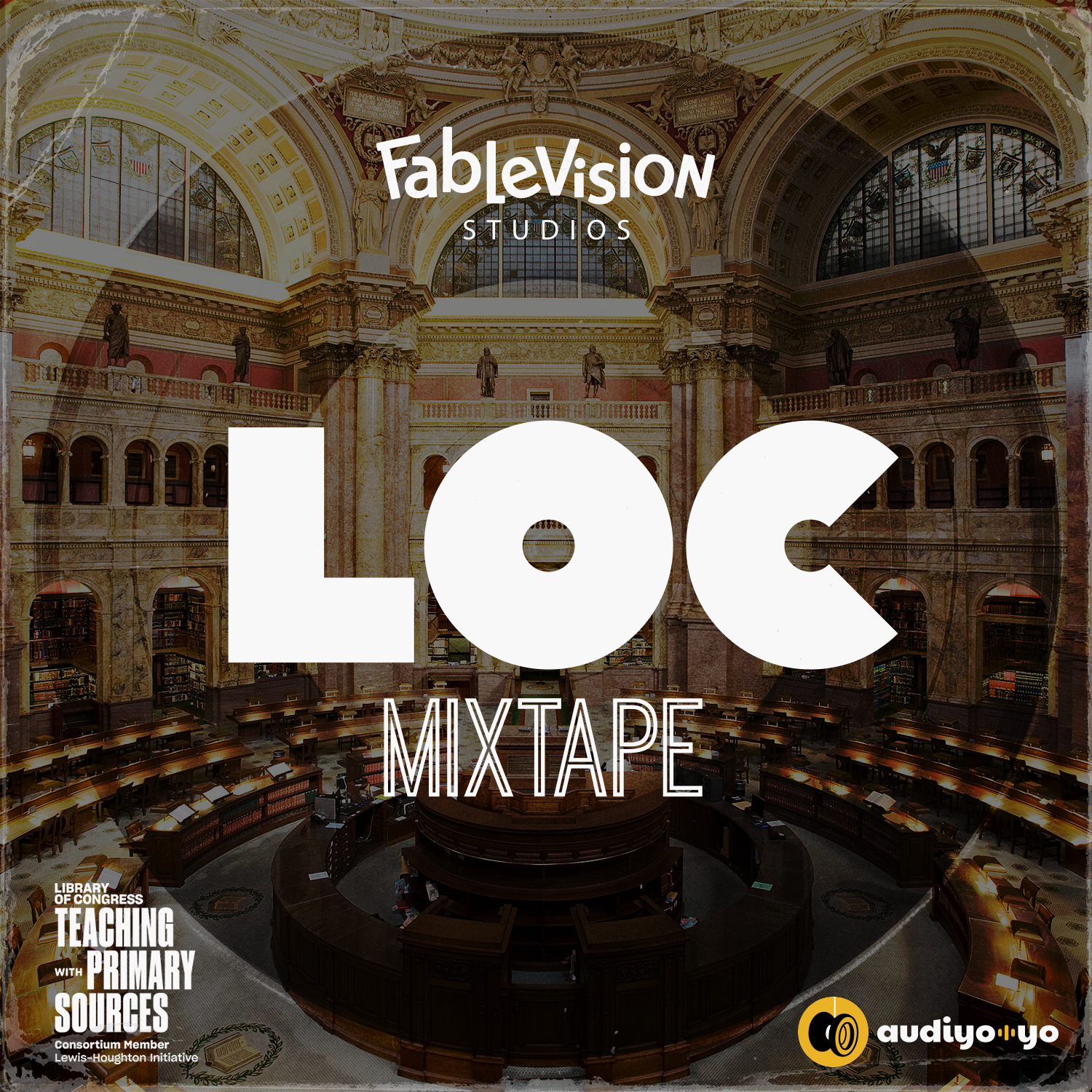
The Library of Congress holds over 4.3 million audio tracks in its collection; it’s a staggering number. When examined individually, every entry tells a story about the performer, the recorder, where they were, and what the world around them was like in that moment. These sonic snapshots, like every primary source, are a tapestry of American history.
FableVision Studios’ audiyo-yo division recently launched “LOC Mixtape,” a new podcast highlighting some of the “best, craziest, and most inspiring” pieces of music from the Library’s archives. There are four episodes of the first season of “LOC Mixtape,” each highlighting a different primary source: a sea shanty, a lullaby recording of a teenage girl, a Chicago blues song recorded in 1978, and a song sung in Spanish by Cuban immigrants in Florida during the 1930s. Each episode begins with an interview with musical historians explaining the source’s significance and the larger historical context in which it was produced. Then, that piece is paired with contemporary musical artists who produce a modern-day original song that’s in conversation with the source material to create “the ultimate mixtape.”
This concept of “riffing and remixing” primary sources isn’t new to FableVision. The studio launched a civics learning game in 2020 for middle school students inspired by Lin-Manuel Miranda’s “Hamilton,” where they analyse primary sources from the Library of Congress to create their own musicals based on significant historical events. In that same spirit, “LOC Mixtape” and its accompanying curriculum encourage high school students to dive into the archives themselves for inspiration to compose and remix their own artistic works.
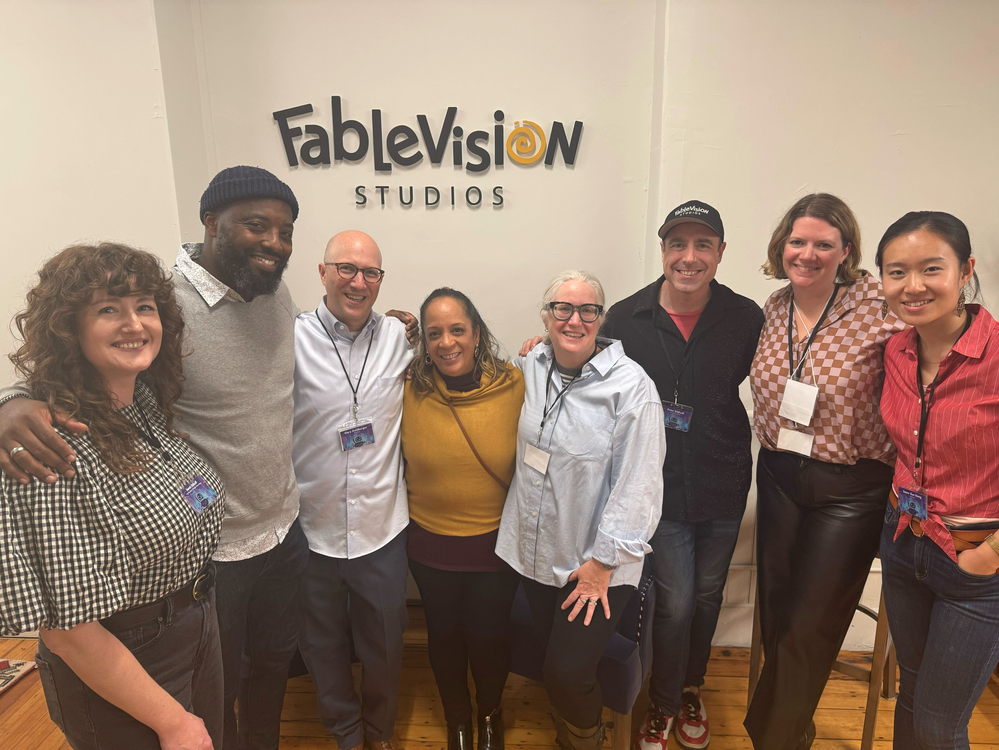
“LOC Mixtape” co-creators Postell Pringle and Anne Richards celebrate FableVision’s work with the Library of Congress at a NCSS Conference reception in 2024
From left: Sarah Ditkoff, Postell Pringle, Gary Goldberger, Karla Thompson, Leigh Hallisey, Peter Stidwill, Anne Richards, Snow Xue Dong
“LOC Mixtape” is a tribute to the meeting of music and history, but it’s also a tribute to friendship. The two minds behind this new podcast are long-time creative collaborators Anne Richards and Postell Pringle. They’ve been good friends and neighbors for almost 20 years, and when they met, they immediately shared a love for all things related to music, performing arts, and storytelling. Anne is a creative director, writer, and producer who runs FableVision’s kids and family podcast division, audiyo-yo. Postell is a musician, actor, playwright, and composer, as well as the newly minted host and music director of “LOC Mixtape.” It’s through his eyes that the audience is led through this archive-backed slice of musical history with his infectious enthusiasm keeping the listener company.
FableVision recently sat down with Anne and Postell to hear more about their partnership, the process they went through to create “LOC Mixtape,” and what surprises them about the landscape of music and history, and where they intersect.
“From the start, we’ve just automatically shared a love for music and a love for the way music can be held and manipulated, and be made a part of someone’s life. ”
Congratulations on “LOC Mixtape!” What’s its origin story? How did it come to be?
Anne: Postell and I have known each other forever and are always looking for projects where we can collaborate. When FableVision became aware of this grant opportunity from the Library, we started to talk about re-interpreting things in the archives. I just knew that this was the next thing I should do with Postell. I called him up, we workshopped the idea together, and here we are.
Postell: But even before this opportunity of working with the Library of Congress came about, we’d definitely had a conversation that was the seed of an idea about digging through music archives. Plus, Anne and I are old! [laughs] We’re into physical forms of media, that’s what we grew up with. Specifically, I loved going to Anne’s family’s lake home in Aurora, New York. The very first time I went up there, Anne and Matt [Anne’s husband] had a crate of records, and I was drawn to them, and we started digging through them. From the start, we’ve just automatically shared a love for music and a love for the way music can be held and manipulated, and be made a part of someone’s life.
Anne: Because of FableVision’s familiarity with this program, we know the Library has a challenge of communicating how real the material is, because libraries can have this “musty, dusty” reputation. The grant from the Library was really about looking under the surface and thinking about how we can make this content relevant to high school students.
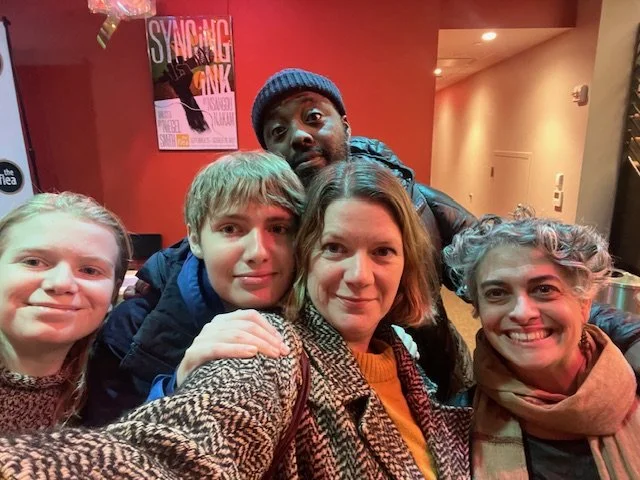
Anne with friends and family visiting Postell during his Othello performance
Postell has built a career on remixing and repurposing things. I’ve sat in the audience with my kids watching Postell play Othello in an adaptation he did with his theater group, and there’s so much work he does, whether its in theater, or as a musician, to bring these classic things into a language that speaks to contemporary audiences.
Postell: The goal for most artists, even if they don't realize they're doing it, is to tell the stories of our lives in a context that’s for us now.
Anne: Yeah, it’s a way to connect with things that can seem a little distant at first.
How do you choose the contemporary musical artists? What guidelines do you give them to create their own songs?
“The goal for most artists, even if they don’t realize they’re doing it, is to tell the stories of our lives in a context that’s for us now.”
Postell: We mostly choose our musical artists based on the idea that 1) they are incredible storytellers, and 2) sonically, they’re doing something interesting, whether it’s doing an “antiquated” form of music or a more technologically unique form of music. The uniqueness of the artist and their ability to do storytelling within their art is a huge factor in who we pick… and also, slyly, like, who do we want to be friends with? It’s necessary for us to seek that out in some of these artists because we need to make sure they can have a rapport with us, the audience, and importantly, the younger audience that the podcast was made for.
In terms of the guidelines we give them, we told them we don’t want a fully-polished piece of art, we want something that’s kinda raw. That’s important and necessary for our audience, if it’s too polished, too layered, kids will think they have to do the same thing when they don’t. Instinctually, it’s something they can reach, possess, and do themselves.
Anne: We tell the guests two minutes [pauses, laughs] that’s what’s in the contract, but they take that as a starting point and have done longer or shorter really well. We use that as a shorthand to get to what Postell is saying. We don’t want them to make a six-minute, fully finished thing. We want them to intentionally keep it loose so kids know they can do that too.
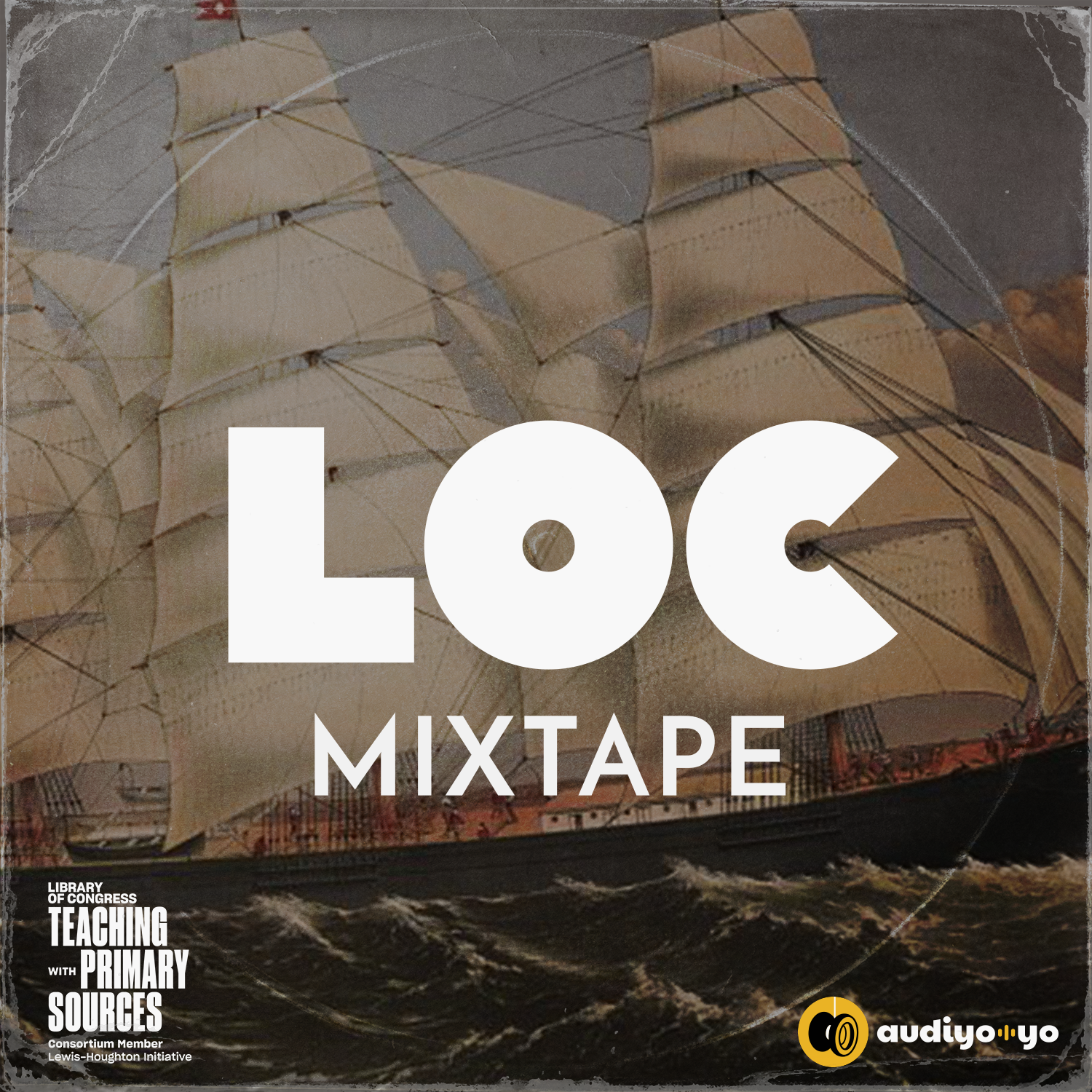
Postell: When we know an artist’s catalogue, we purposefully pair them with archival audio that’s not immediately in their lane. We wanted that juxtaposition – it creates some of the most creative thinking, when you have to really work to find your way into something. Like in Episode One, Julian [Saporiti] sat with the “Dead Horse Shanty” for weeks and then finally found his way into it in a way that was super rich and personal. The thing that we really impart to them is that whatever they make, we’re not interested in them making something that’s similar or something that’s a copy or cover of the original. We want them to make something that’s in conversation with the original audio and therefore hope it forces them to make something that’s equally informed by what they’re hearing, what the historian or ethnomusicologist is saying, and any other bits of history they can use as their understanding of the material they’re working with.
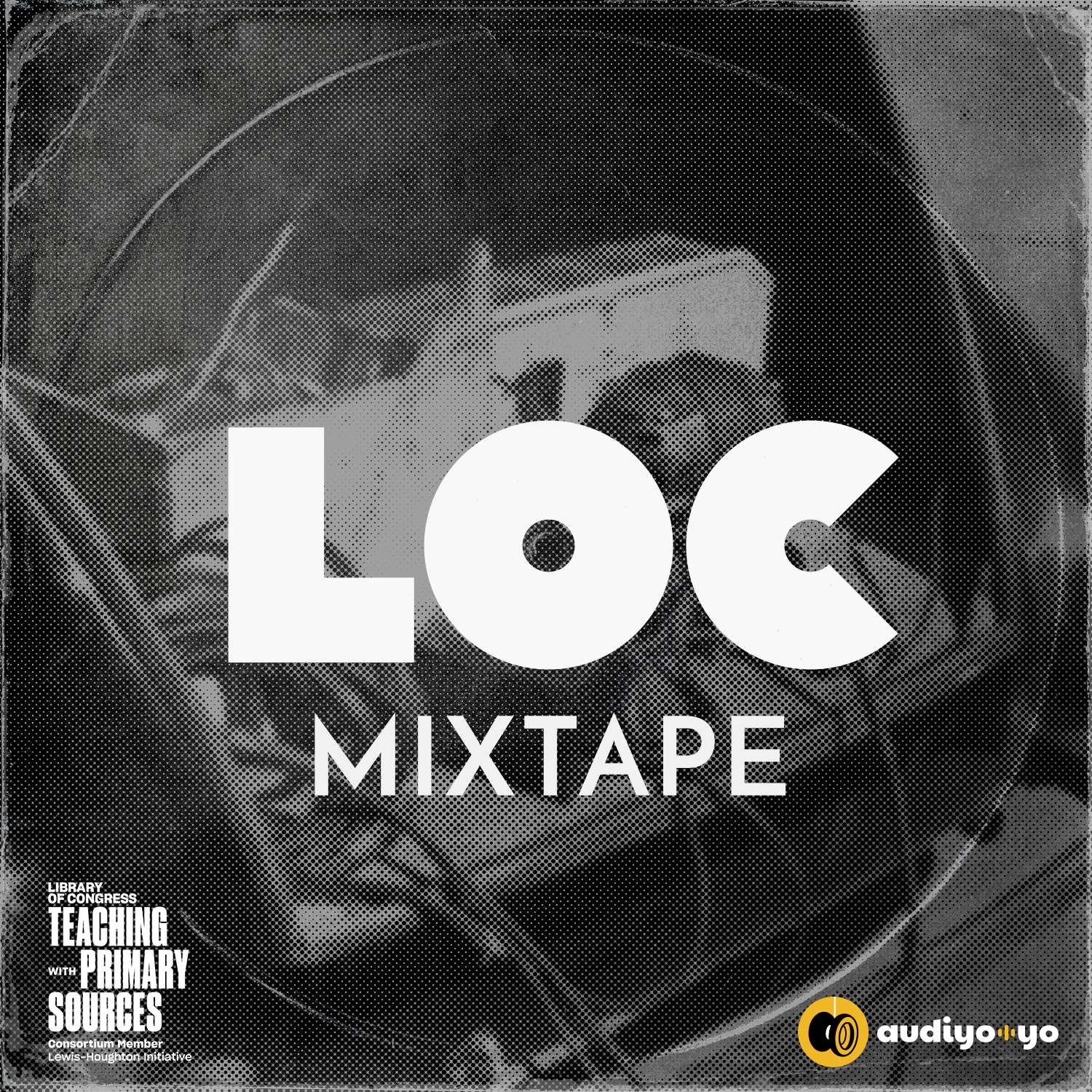
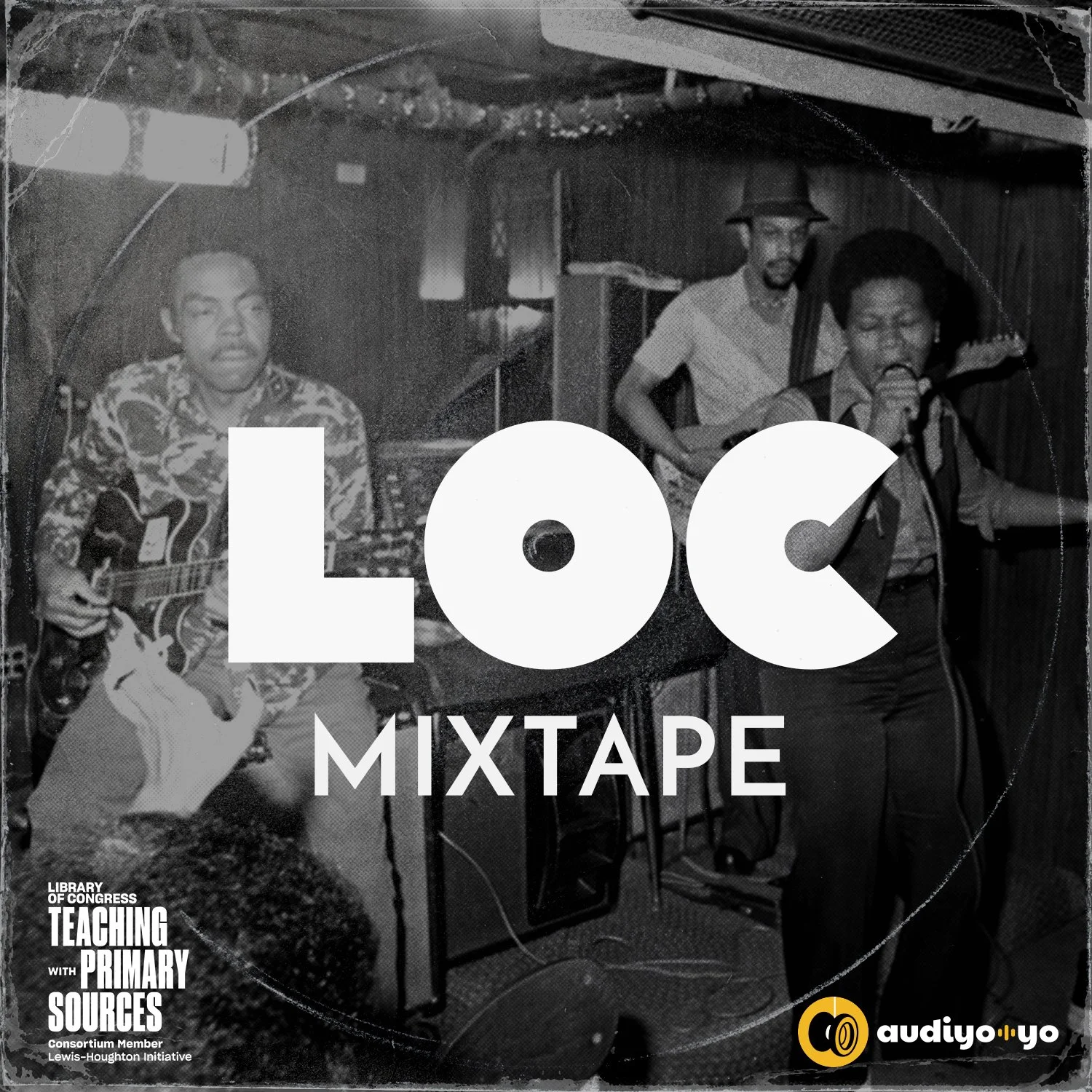
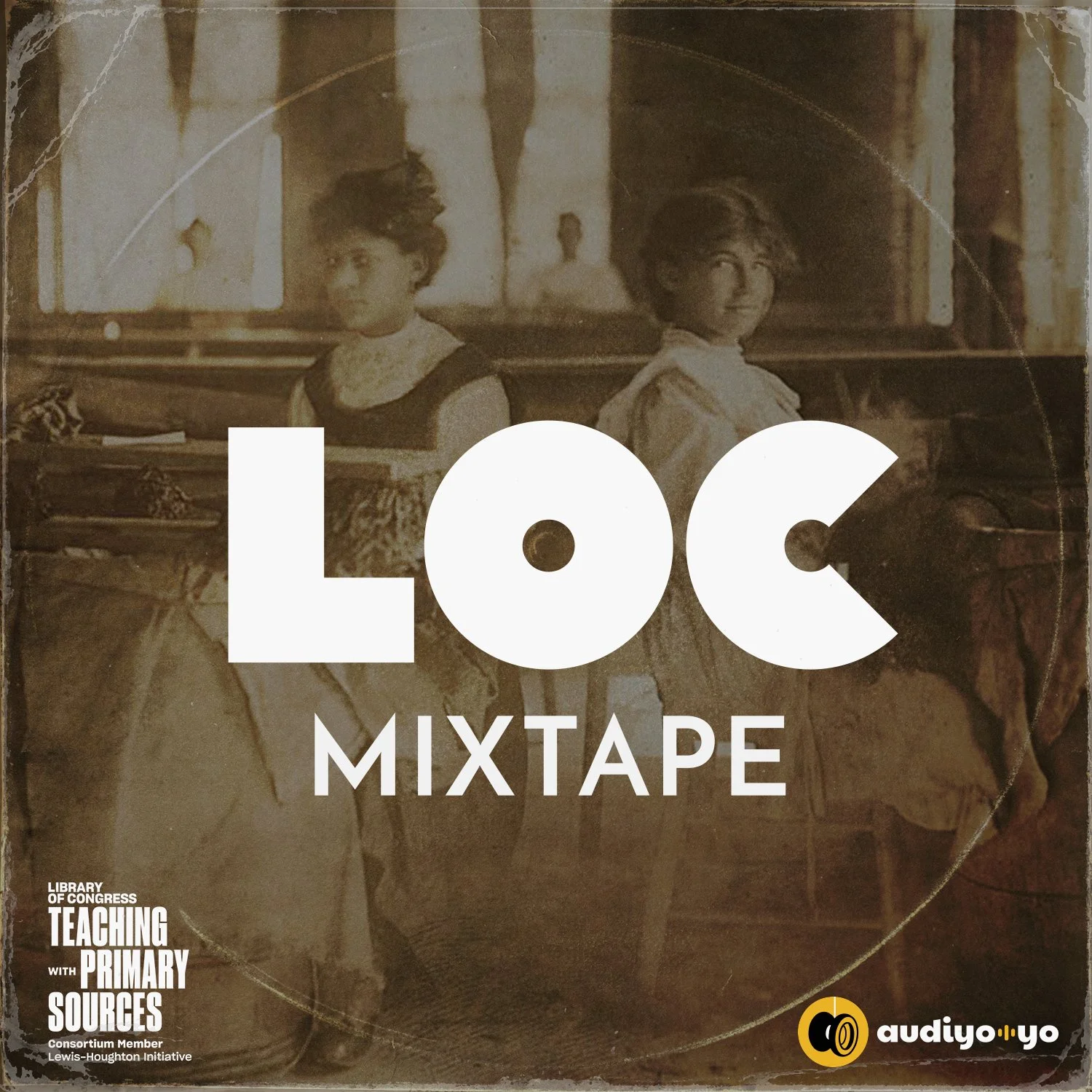
How do you choose what archives the episodes focus on?
Anne: We have an awesome educator advisor, Carolyn Bennett. She’s so cool. She used to be the Teacher in Residence at the Library and gave us a crash course on how to navigate the archives. We sat down with her multiple times at the top of the project, combed through sources, she pointed out things that were interesting to her, we teased out which sources have the most interesting stories to tell, what themes are relevant to civics and music classrooms. One of our first historical guests, Steve [Winick] had written a whole blog for the Library about sea shanties and had mentioned the “Dead Horse Shanty” specifically, so that one was kind of near the top of the pile early on, but we really dug for some of the others we eventually selected.
How does the curriculum connect to the podcast?
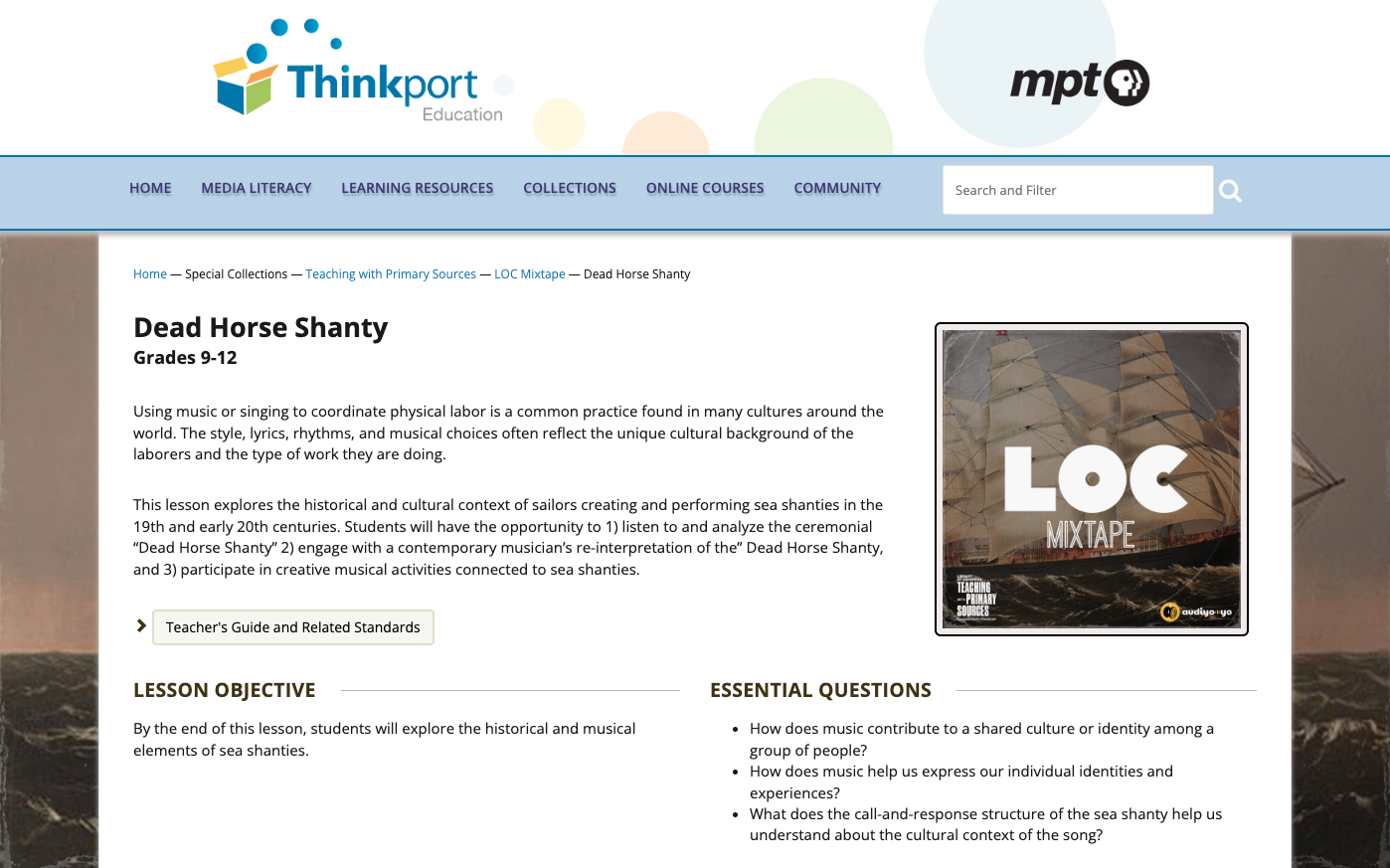
Anne: Raynetta Wiggins Jackson worked with Maryland Public Television to write the curriculum. They’ve developed an overall framework for how to investigate music as a primary source. We send them the expert interview, I suggest some themes that I think would be included in the final episode, and they use those as a jumping-off point for lesson plans. They develop a bunch of suggestions for extension activities that kids can do. So for the sea shanty episode, for example, they give kids some guidance on what to listen for when they hear the “Dead Horse Shanty,” and then ask them to articulate what they’re hearing and what that means. And then there’s a cool Student Remix section, where kids write their own sea shanties and share them with fellow students. There’s a whole bunch of cool stuff in there for classrooms.
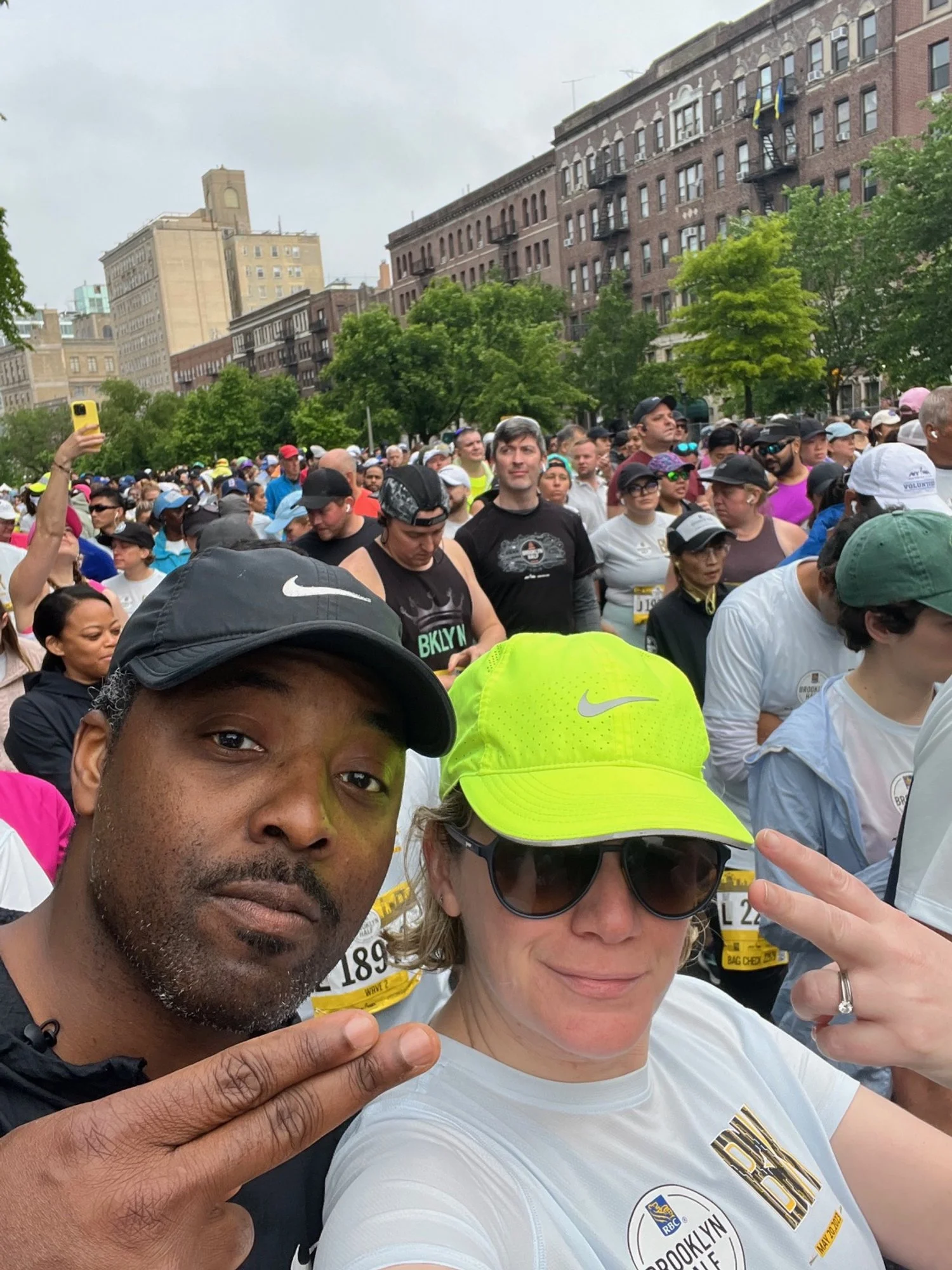
Anne and Postell getting ready to run a half-marathon together
What’s something that’s surprised you while working on this project?
Postell: Things surprise me all the time! I am continuously surprised and enamored with the fact that with every piece of audio we hear, every historian or ethnomusicologist or artist we talk to, I become more in love with this thing that we’re working on. All this stuff that we learn, all the doors we open, all the people who recorded these primary source tracks, the people who performed them, learning what their lives were like, what their communities were like, their personal histories, the history of the world at the time, thinking of what that history means to us right now in present day, and how it connects to the artist now today… there are so many worlds! I am continually surprised by how cool I think everybody is!
Anne: [nodding] That’s the secret sauce!
Postell: I’ve been surprised by how fascinated I am by history. As a kid, I didn't think I was interested in the subject of history. And then when I started to get interested, I didn’t even realize it was happening.
But starting with hip hop, you’re making an oral/vocal danceable graphic art form from leftovers. And you can say something from leftovers. When it started, kids were looking for a way to use their natural artistic inclinations and started playing around with their parents' records and using turntables and poetry, and performing that poetry by copying radio DJs on air… that was a history that I started to follow. You can’t become a practitioner until you know the history, and I wanted to be a practitioner. And I was somehow duped into becoming a historian of hip hop, and now several years later have discovered that I just like history.
Anne: In general, musicians really love history, and that intersection is so much tighter than I realized. When you talk to a musician, it's like, “Who did you grow up listening to? Who are your influences?” Musicians have a huge respect for history. I was initially worried about how to get these musicians interested in the history, and that was never a problem.
“In general, musicians really love history, and that intersection is so much tighter than I realized.”
What can the audience expect in the future?
Anne: The whole first season is out now and we’re gonna keep doing what we’re doing!
Postell: I am definitely excited about what levels of conversation will happen in the future based on people’s experience with what we’re doing now. I’m interested in how we can get even more idiosyncratic with some of our choices and how artists can find ways to relate to something that they wouldn't even think of… like all that human-level stuff is so cool. We want to work with more folk artists, some blues and rock artists, some hip hop artists, I would love to work with an EDM artist…
Anne: I mean, the real hope is that the audience starts to remix our stuff! We want this to be an inspiration for other people to play in this space. There’s the show itself, but the goal is to be inspired. It’s like, tag you’re it! Go make some cool stuff!
The entire first season of “LOC Mixtape” is available now wherever you get your podcasts. Download and listen today, and ask yourself – what story do you have to tell?
About the Library of Congress’ Teaching with Primary Sources Partner Program
This podcast is funded by a grant from the Library of Congress Teaching with Primary Sources program, through the Lewis-Houghton Initiative. Content created and featured in partnership with the TPS program does not indicate an endorsement by the Library of Congress. Since 2006, the Library has awarded Teaching with Primary Sources (TPS) grants to build a nationwide network of organizations that deliver educational programming, and create teaching materials and tools based on the Library’s digitized primary sources and other online resources. Each year members of this network, called the TPS Consortium, support tens of thousands of learners to build knowledge, engagement and critical thinking skills with items from the Library’s collections.
