
Exploring “Rhythm Explorer” with Carnegie Hall
Music surrounds us every day, serving as a universal connection shared by people in homes, schools, public spaces, and communities. Children are introduced to music from a very young age, beginning perhaps with lullabies and nursery rhymes. It is at the core of many of their television shows, movies, and even interactive books. Music also offers a perfect avenue for children to learn and memorize common knowledge, like the ABCs, and to explore different cultures through musical traditions from around the world.
One of the most famous music venues in the country celebrating these traditions is Carnegie Hall. Within this creative, innovative space resides the Weill Music Institute (WMI), its education and social impact arm. Carnegie Hall has championed the importance of music in children’s development for more than 20 years through its programs and resources for babies, toddlers, school children, and more. Its range of programs, including Musical Explorers, Link Up, and Music Educators Workshop, aims to reach the widest audience possible. WMI seeks to “...nurture tomorrow’s musical talent, support health and well-being, and harness the power of music to make a meaningful difference in people’s lives.” In addition to its in-person programming, millions more are reached online through Carnegie Hall Kids, a free website with quizzes, games, and more.
Carnegie Hall’s K-2 program, Musical Explorers, connects all the wonderful aspects of learning through music by building fundamental skills using songs from all over the world. Initially designed to bring the many different types of music found in New York City neighborhoods into local classrooms, this program now includes a free online curriculum available to educators worldwide.
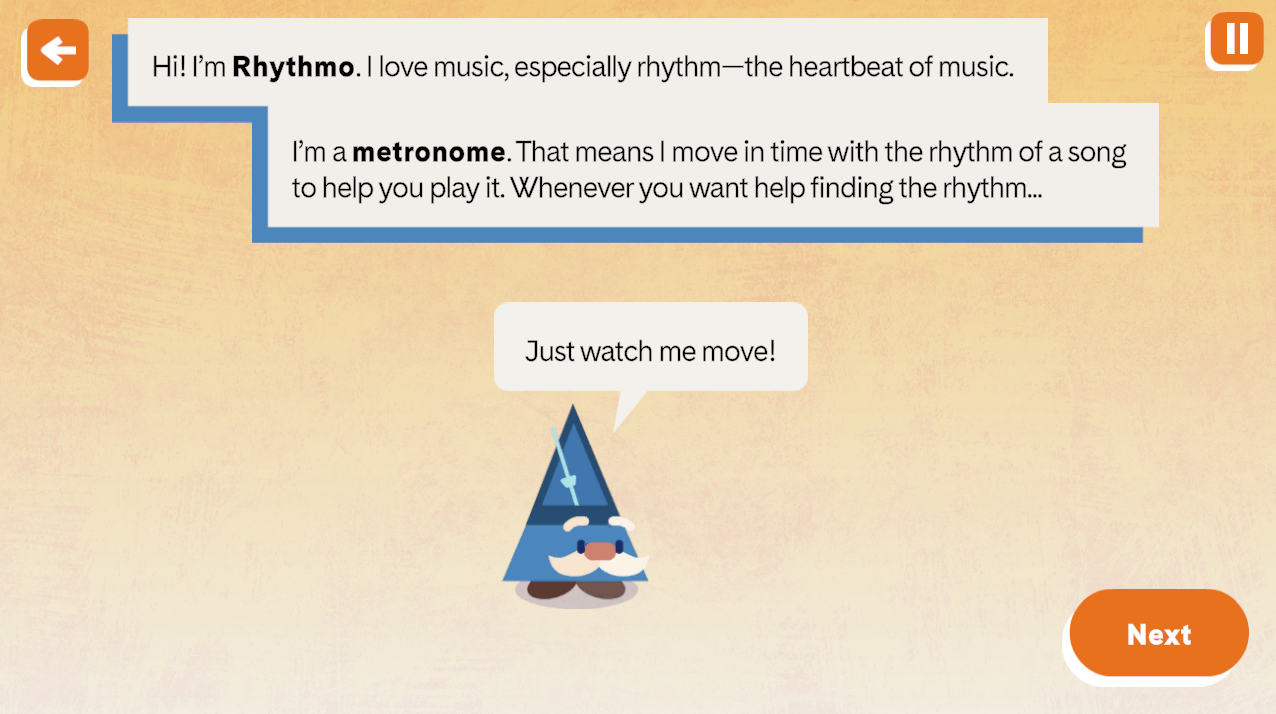
A new collaboration from Carnegie Hall and FableVision Studios uses source material from the Musical Explorers curriculum in a dynamic interactive game, “Rhythm Explorer.” “Rhythm Explorer” is an interactive rhythm game featuring six songs, each by an artist from the Musical Explorers program. Players choose a song, learn facts about the featured instruments and musical traditions, and tap arrows to the beat. To help stay on beat, players watch Rhythmo, a “metrognome” who keeps time at the bottom corner of the screen and guides them throughout their gameplay journey. Through interactive listening, singing, and movement, children connect to global musical communities.
Since its launch in April 2026, “Rhythm Explorer” has been played by thousands of children, both in-person at Carnegie Hall events and online on the Carnegie Hall Kids website, averaging 12–13 minutes of play at a time. Seven key figures behind the creation of Rhythm Explorer—FableVision’s Gary Goldberger, Schuyler Fox, Maham Ismail, and Nathan Wentworth—joined Carnegie Hall’s Gina Izzo, Matthew Williams, and Milo Davidson to discuss the genesis of “Rhythm Explorer,” the impact it’s having on children, and future steps to expand its repertoire.









How did “Rhythm Explorer” come to be?
Matthew Williams, Director of Educational Media and Technology at Carnegie Hall: Three years ago, Carnegie Hall began developing a rhythm game. We initially wanted to create an interactive game around Afrofuturism, after Carnegie Hall hosted an Afrofuturism festival. We worked with an advisory group to help us develop some of the traditions and history of Afrofuturism. This project was expansive, ambitious, and a bit bigger in scope than what we wanted to get into at the time, so we decided to simplify.
“Starting with the Young People’s Concerts at Carnegie Hall conducted by Leonard Bernstein, interactive musical tradition has a long history here.”
We brought this idea and two others (an interactive listening map and a demonstration of the effect music can have on visual media) to teachers as part of a co-design workshop. We had 5–6 sessions with 15 music educators from New York City to help us co-design some of the seeds of three different ideas for a game. One idea was this rhythm game, which felt the most interesting out of our options. After talking about the idea internally, we realized that a rhythm game would be a great way to get kids to connect to rhythm and to our Musical Explorers program, which already features rhythms heavily. We came up with the idea that we could feature artists from Musical Explorers, and the game would have an already established audience of kids who are fans of these artists.
Milo Davidson, Digital Product Manager of Educational Media and Technology at Carnegie Hall: Right. We knew we wanted it to be friendly, compatible with Musical Explorers, and a standalone game for kids and teachers who are just interested in finding fun and useful ways to spend a few minutes in class. We have this game, other games focused on fun and creativity, and a variety of quizzes and activities. That was a key design principle of this rhythm game; it had to work with Musical Explorers and also had to work in that website environment.
What is “Rhythm Explorer” and who is it for?
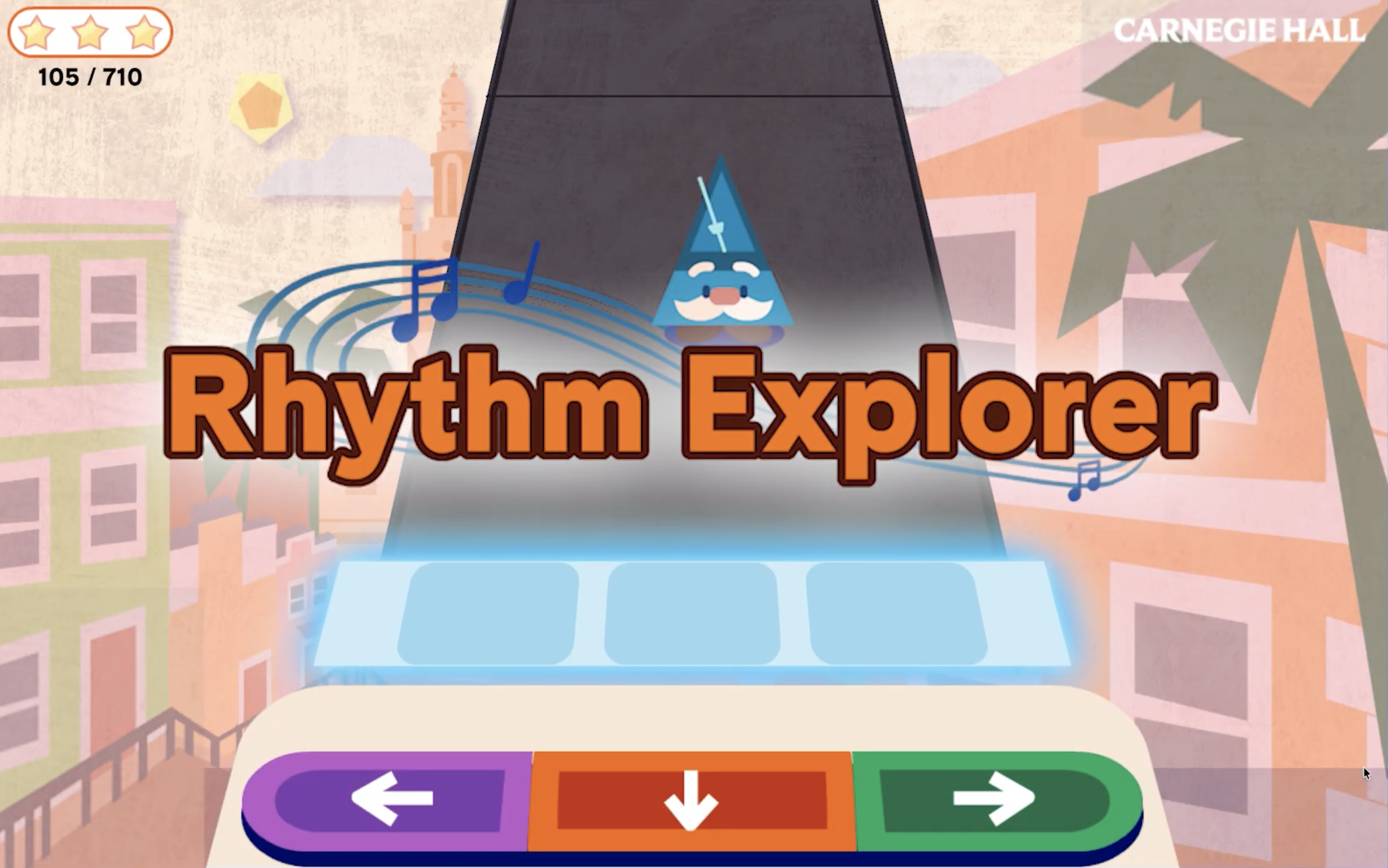
Milo Davidson: “Rhythm Explorer” is a rhythm game designed to help kids creatively engage with rhythms from around the world. By taking music from folk traditions from various parts of the world with distinctive rhythmic material, “Rhythm Explorer” has kids listen to these traditions in a way that goes beyond just hearing a wall of sound. These isolated rhythms show kids how to understand what’s going on in the music and become part of the music, which is the goal of Musical Explorers.
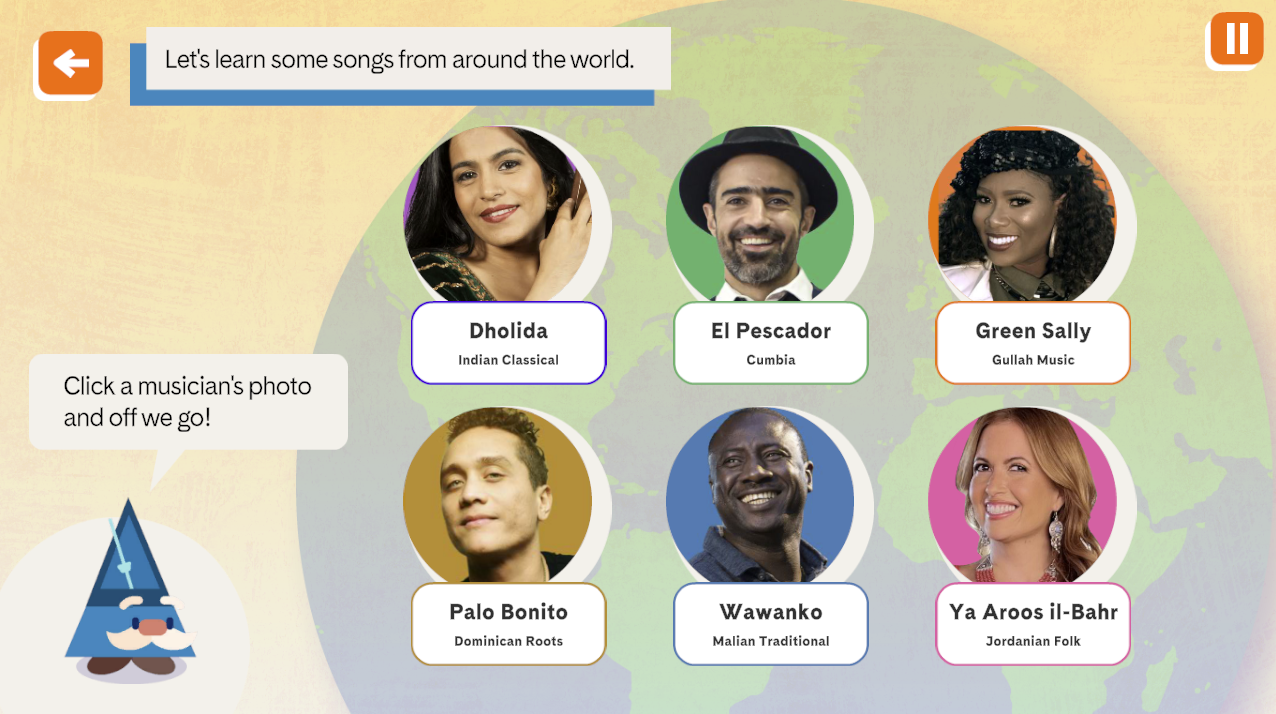
Kids are presented with a map of musicians and folk traditions from around the world. They select a musician and learn about the musician they selected, as well as the tradition that their song is a part of. But the focus of the game is creative play. After learning about the artist and their musical tradition, players immediately learn the mechanics of engaging with the rhythm, the individual instruments of each piece of music, and play a 1–2 minute excerpt of the whole song through the instruments.
Matthew Williams: And of course, in the game, there's an amazing guide named Rhythmo! He helps young learners understand the gameplay and takes them through the various parts of the game.
Tell us more about Rhythmo!

Meet Rhythmo!
Matthew Williams: Rhythmo is a metronome. He looks like a gnome with a metronome on his head. He helps the user navigate the game, and also he IS the metronome, helping players find the rhythm of each song.
Gary Goldberger, President and Co-Founder at FableVision Studios: We were in New York at Carnegie Hall, and we LOVED that pun so much [all laugh].
Matthew Williams: It was a golden moment.
Milo Davidson: I think it was Leigh [Hallisey, FableVision’s Creative Director]’s idea.
Maham Ismail, UX/UI and Game Designer at FableVision Studios: Puns always come from Leigh.
Schuyler Fox, Producer at FableVision Studios: Rhythmo has two states. Sometimes he’s a globe, sometimes a metronome. When kids choose where to visit on the map, he’s a globe, and when they're playing a song, he’s a metronome.
Maham Ismail: Rhythmo is whatever you want him to be [laughs].
Gina Izzo, Manager of Learning and Engagement Programs at Carnegie Hall: One realization the team had when talking about Rhythmo’s role is that not many kids know what a metronome is at this stage in their life. They’ve often never explored the metronome and it can be something they tend to push away from, especially when learning music through traditional Western practices. There’s a reason for that: a metronome holds you accountable to time. It asks you to stay with the beat, even when you might want to slow down, speed up, or play at your own pace. Rhythmo offers a very friendly and approachable introduction to something that isn’t always so intuitive (or cute!) to kids learning music.



How did you choose the musicians / songs that are featured in the game?
Milo Davidson: There were two main criteria. For one, we wanted a slice of as much of the world as possible to show diversity and how much the different musical traditions share. And second, we wanted to share songs with distinctive rhythms. “El Pescador,” for example, which is a cumbia song, has a really strong rhythm that is part of that music and culture. It has a classic rhythm that is featured in many songs within the musical tradition.
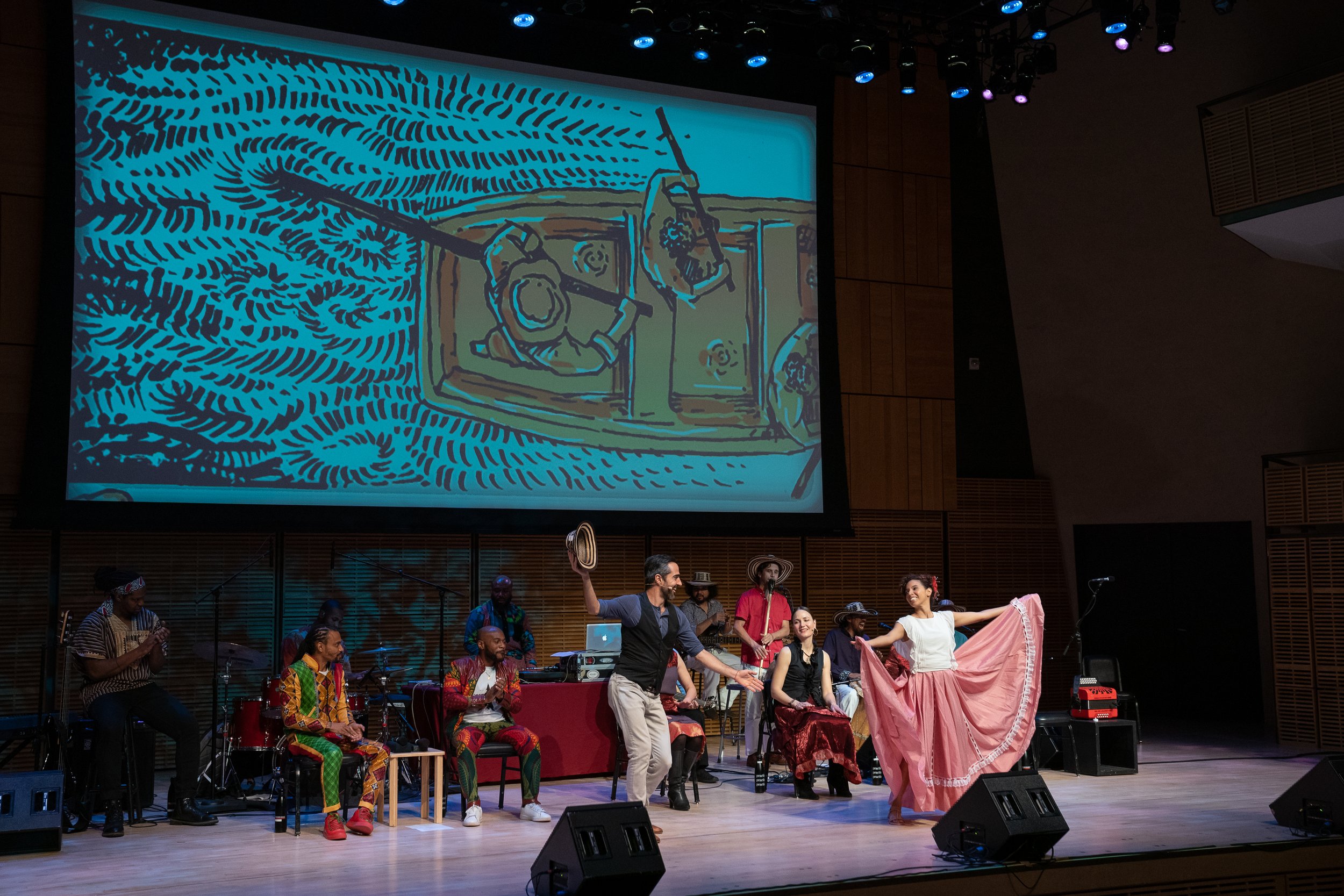
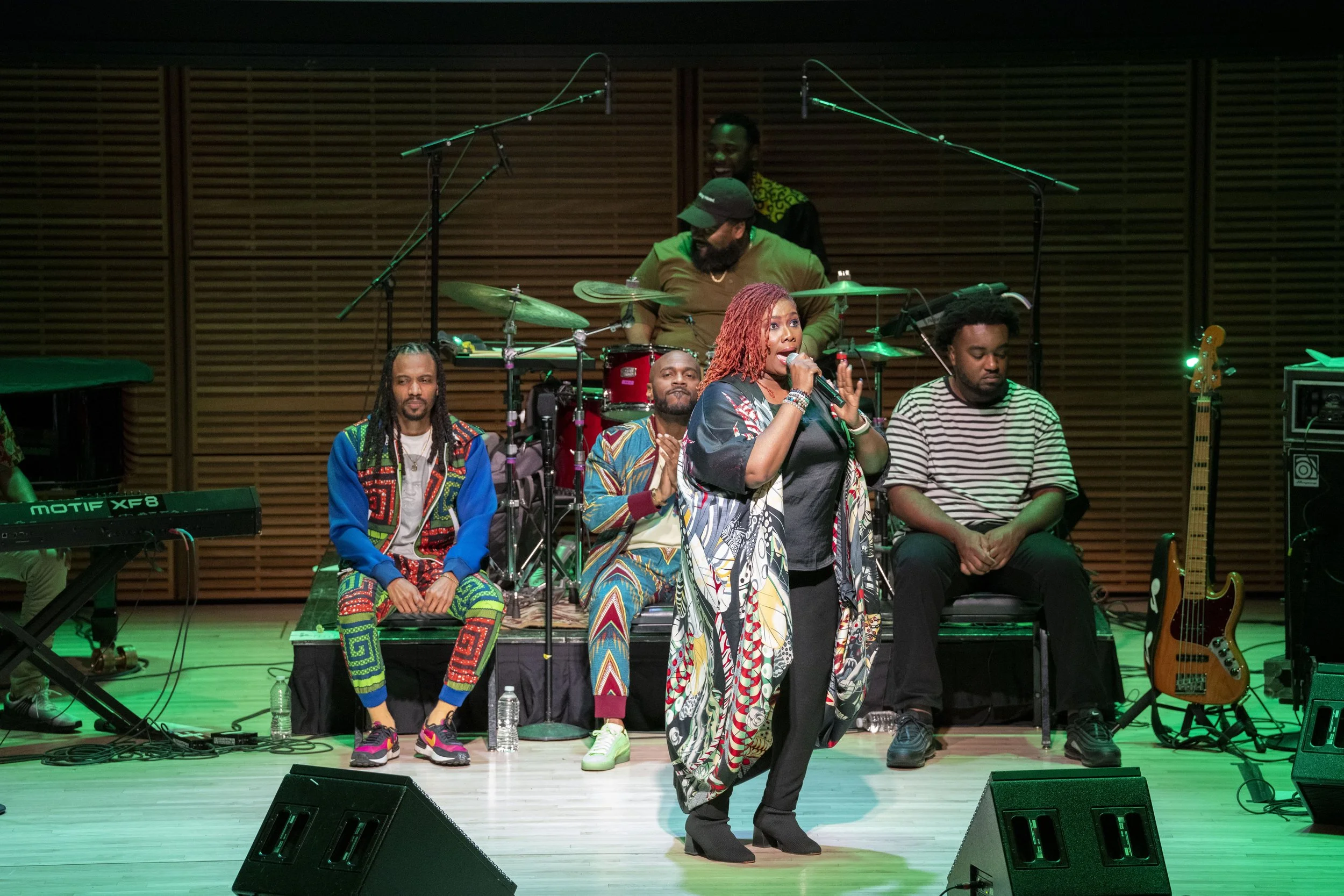
Gina Izzo: We have 32 traditions currently represented in our digital program. It wasn’t easy to choose just six traditions and artists for the first round of this game, similar to how it’s not easy to pick two songs to represent a tradition, as we do in our Musical Explorers program. We've had some long-standing artists who have been in the program year after year who have been ambassadors of the program and Carnegie Hall. Beyond the 32 artists in our digital program, there are so many more places to explore, and so many cultures to hear music from all over the globe. This game is only a snapshot of the musical traditions of the world.
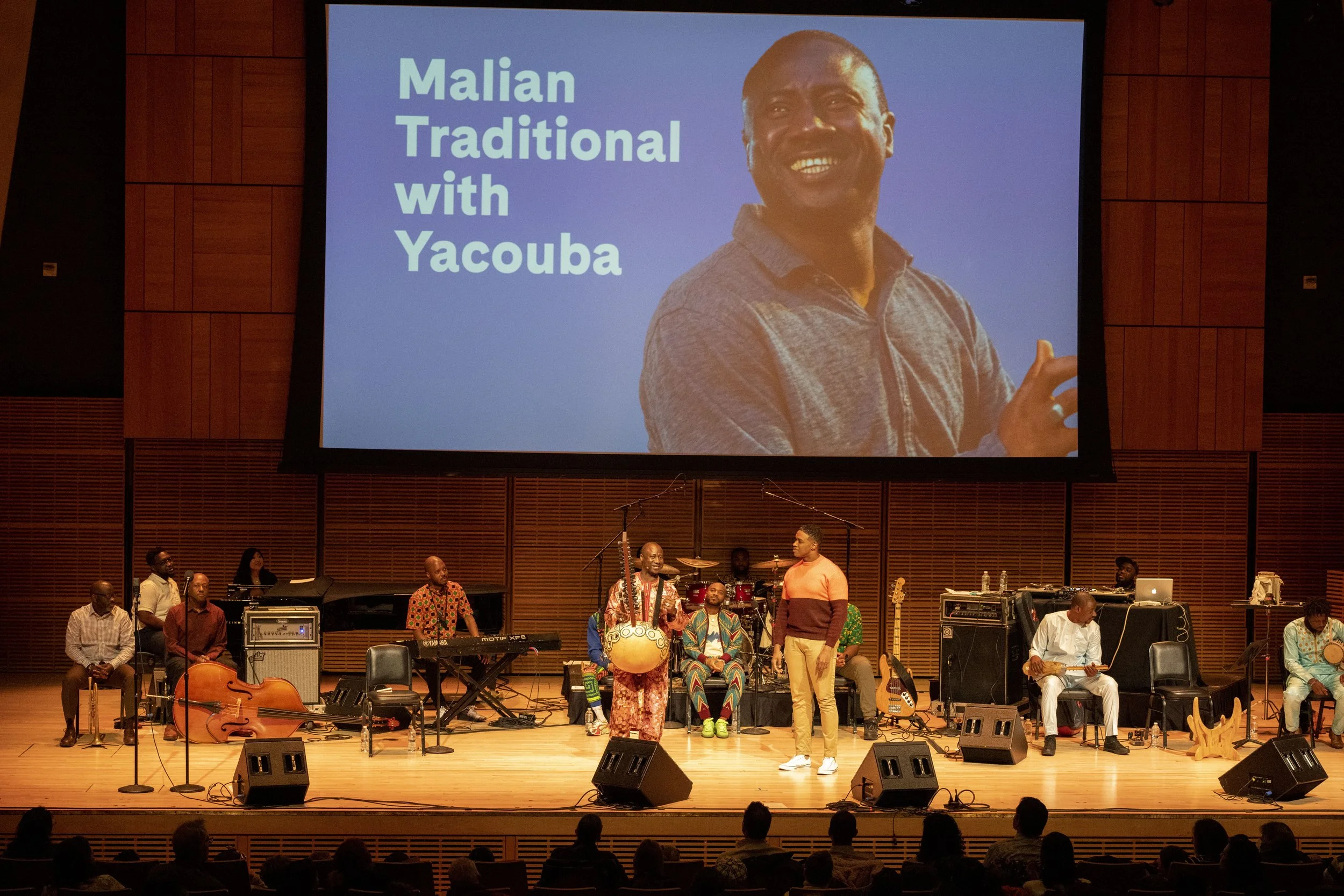
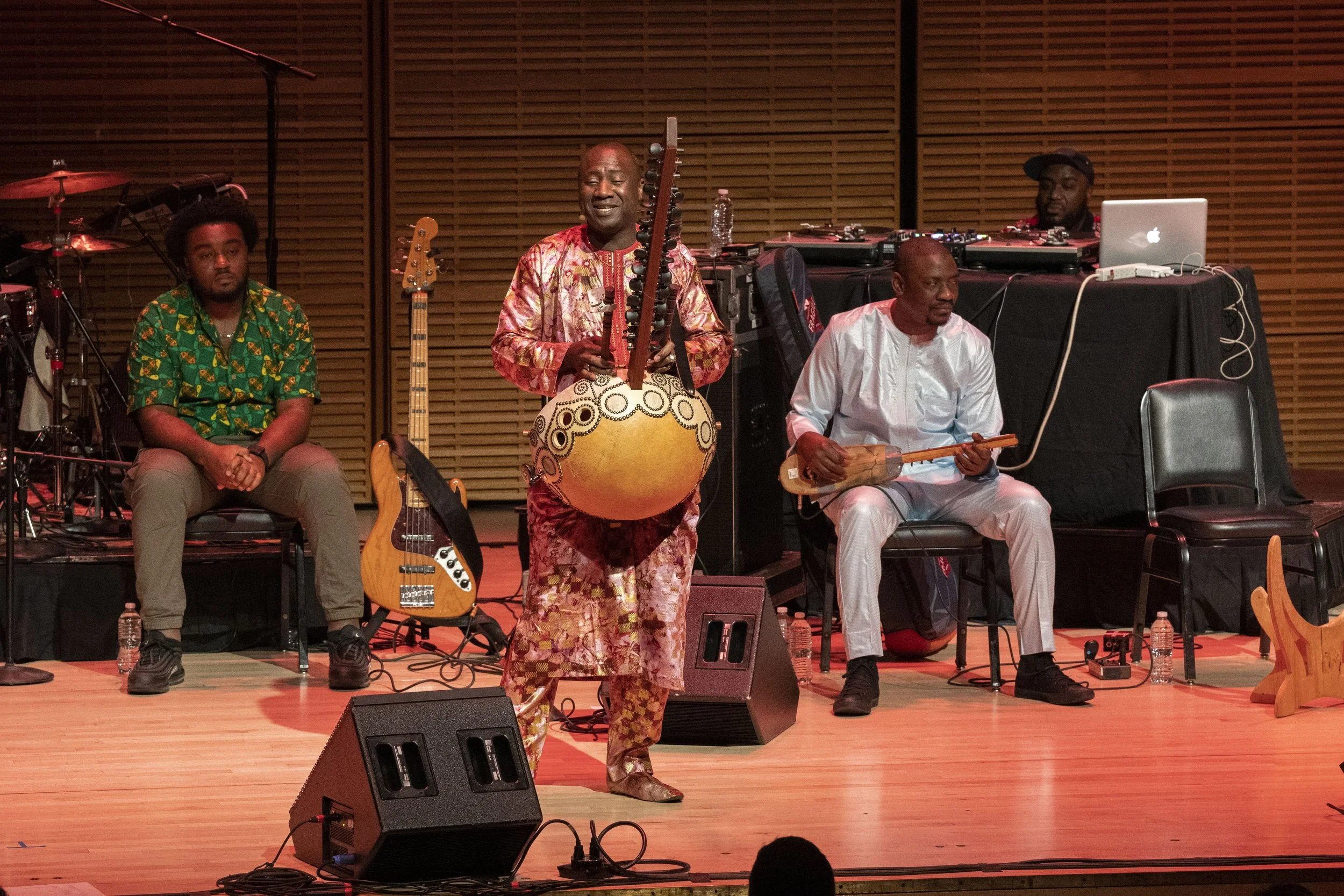
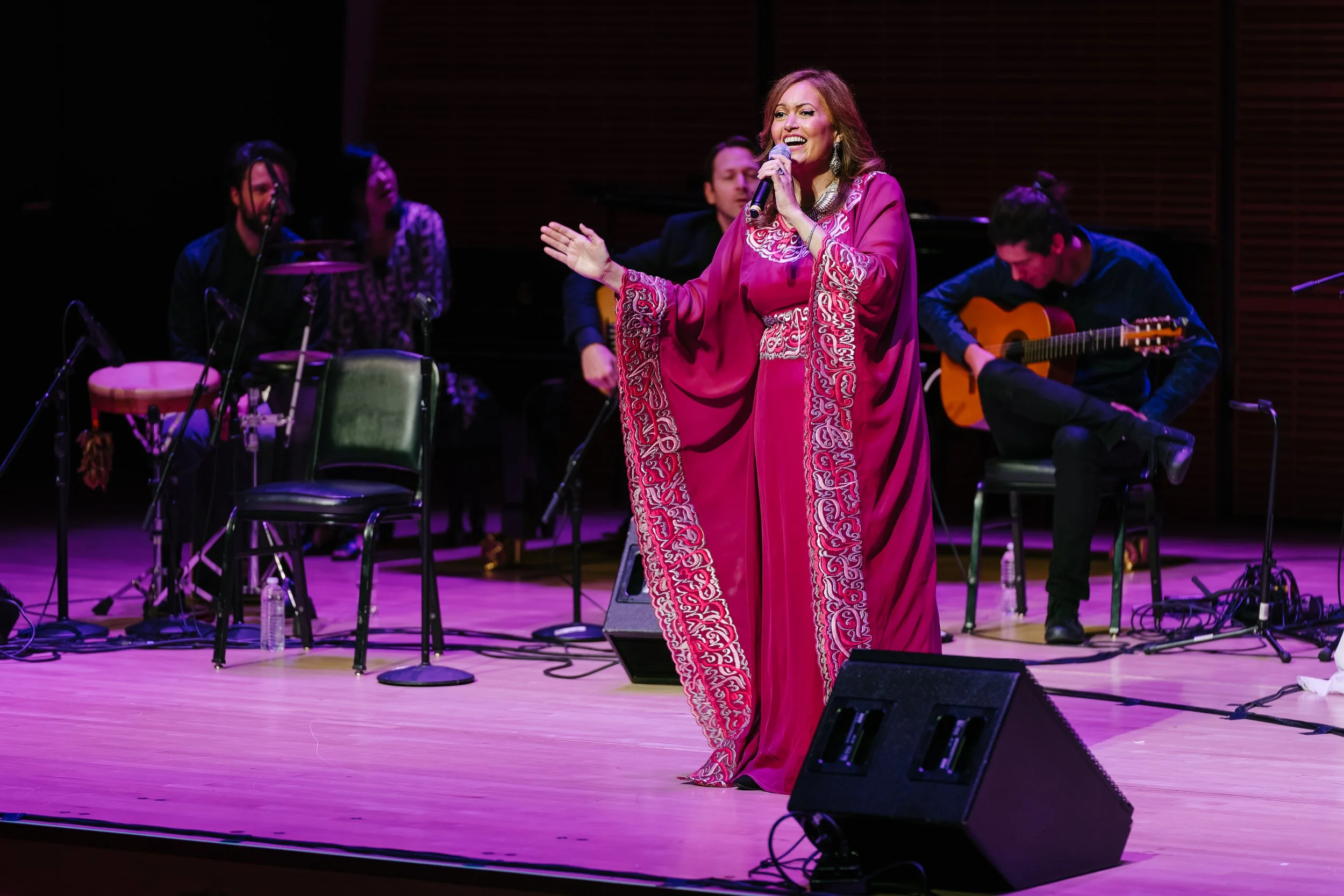

Photos courtesy of Carnegie Hall.
What were some points of consideration during the design phase from the FableVision team?
“We ended up thinking more about how exposure is more important than things like notation. We wanted something entertaining and engaging while keeping the integrity of the songs.”
Schuyler Fox: Our main question was, how do we create a fun, simple rhythm game for a young audience while also doing the songs and cultural traditions justice? As part of that, it was important for us to involve the artists throughout the process. Carnegie Hall was really helpful with that. The artists helped us with what they wanted us to show about where they’re from, what instruments we should highlight, and how they wanted us to showcase their songs. We didn’t want to go too far without knowing we were aligned with artists.
Gary Goldberger: In the beginning, we did a lot of brainstorming where we actually went far away from the original concept before bringing it back. We wanted to find a good balance in the game that could be both sandbox and goal-oriented. How much or little narrative do we need? It was nice to collectively explore these options as a team.
Maham Ismail: In thinking about the sandbox option, we ended up thinking more about how exposure is more important than things like notation. We wanted something entertaining and engaging while keeping the integrity of the songs.
How did FableVision approach the game design / mechanics of “Rhythm Explorer?”
Maham Ismail: Rhythmo introduces some initial terms in the beginning, as we decided we needed something simple for young kids. The tap-to-the-rhythm experience is really fun, no matter your age. It’s a simple mechanic, but what shines through is the songs. Keeping it simple helped the songs shine. Testing at FableVision and Carnegie Hall was so helpful and really informed us.
What did we learn from playtesting, and what did that look like for this project?
Schuyler Fox: Carnegie Hall did two rounds of playtesting with kids. Both of them focused on UX/UI, making sure the flow of the game and the game screen are clear for kids. The game was originally way more challenging than it is now. It was important to find that sweet spot. This was when we decided to have each song ramp up in difficulty as the song goes on.
Gary Goldberger: The original prototype had one track. After playtesting, we decided that four was too many. We landed on a three-track model that worked really well. Even if they weren’t successful when playing, we tried to make sure they still got good feedback. Sustained play is what we focused on.
Maham Ismail: Yeah, we also decided on no fail state at all, just exposure, fun, and experience.
Nathan Wentworth, Developer at FableVision Studios: The first playtest was in StepMania, a tool for designing the patterns that users play in rhythm games like this one. Even when they were presented with a hard song, kids wanted to get better and play again. When they played another time, you could see their scores get better. This was encouraging to see that even if it’s difficult, there is high replayability. We realized we can make the game kind of difficult.
Maham Ismail: Good replayability. [Nathan and Gary nod.] That was so important.
“Kids wanting to go back to replay the game was encouraging, and a signal that we had a good idea and something that would be meaningful from early on.”
Nathan Wentworth: I play a lot of rhythm games, so I put in a lot of things that I would expect to see in this game. It'll tell you if you're early or late. Some games will tell you if you’re off but don’t say why, which can be frustrating. We wanted to give lots of information as you’re playing.
Gary Goldberger: The immediate feedback loop is nice. It lets players change their behavior in game. Players get a score at the end of each song. They can see what the full score can be, which encourages kids to want to get all three stars and the highest possible score.
Milo Davidson: We were worried about the difficulty. Kids wanting to go back to replay the game was encouraging, and a signal that we had a good idea and something that would be meaningful from early on. We also ran sketches of Rhythmo past the kids in our first playtest. A couple of kids had really strong reactions, sometimes contradicting each other. It helped us decide what his final form would be.
How did you create the musical notations and showcase them accessibly in the game?
Maham Ismail: This was new to us, and I want to give a big shoutout to Milo for helping us. Musical notations and translating those charts were hard as people who are not of this musical world. Milo helped us by putting each note into StepMania. This helped us go into StepMania, decide which note we want to keep, and helped combat the difficulty of each song. We will be more streamlined in the future because we learned a lot through this process.
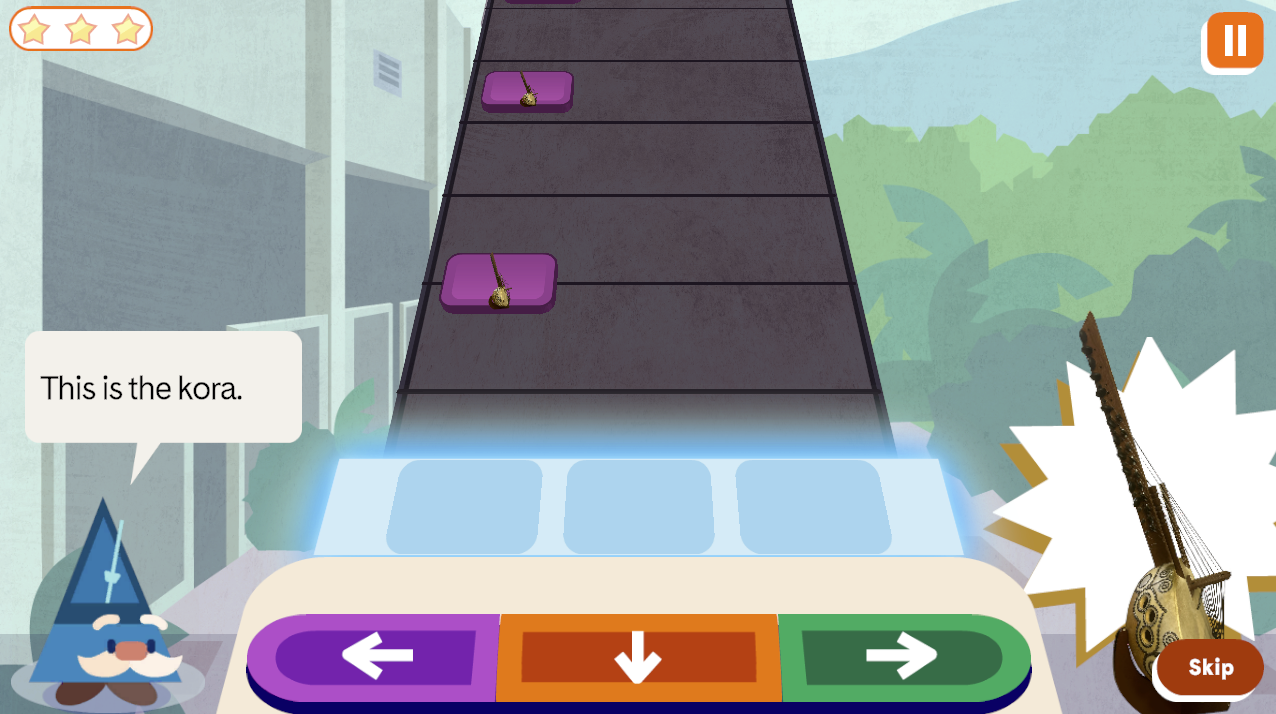
Rhythm Explorer also introduces new musical instruments
Milo Davidson: I started by literally taking each instrument and by ear, doing the entire chosen excerpt for each instrument in each song. Then Maham reconfigured it, and chose the individual notes to keep in the game. These weren’t always the notes on the strongest beats and not always the ones you would think. There are ways you have to do it so kids know they’re hitting the right beat. Every piece of music is different, so that'll continue to be a challenge as we add more songs.
Gina Izzo: Congrats to Milo on our Carnegie Hall team, because as we’re developing this curriculum with each artist, we’re finding that many of these musicians don’t have their music notated. Their songs, often, have been passed down orally, learned by ear and through generations of tradition. We work directly with artists to figure out how to translate that music into some form of notation for people who use written music as a guide for learning and teaching these songs. As Milo said, it’s no small thing to do this work by ear.
Milo Davidson: For a rhythm game, every note has to be perfect and fall on every exact beat. There was music that had to be massaged in a subtle and careful way so that kids could play and hit every beat. Every song came out well in the end, in large part because there was an organic feeling of timing in each song since nothing was generated by a computer.
Now that the game is launched, how’s it going?
Milo Davidson: We know on a macro level that it's going really well. It's blown past every other resource we have on our Carnegie Hall Kids website. People try it out, spend an average of 12–13 minutes engaging with it, which is really long [laughs]. That’s a really strong signal that once people are engaging with it they are really engaging, not just clicking in and clicking away.
“The access point is awesome here. Thousands of students can access this game who might otherwise not be able to attend a concert”
I’ve also heard from the featured artists that their family members enjoy engaging with the game. I got an email from Gregorio, an artist featured in the game, that he showed his son his song in the game. He’s really enjoying it! Young children are enjoying the game, not only through their family member’s artistry and musicianship, but through the game mechanics as well.
We had a booth to play the game at the Musical Explorers Family Concert [in January 2026]. Kids were coming over, sitting down, trying it, and really getting into it. There was a whole preshow event at the concert that’s 45 minutes long. Some kids played the game the whole time and were getting really into it, just sitting down and parking themselves in front of the screen.
Gina Izzo: Oftentimes, teachers are leaning on students who are reflected in different traditions or cultures to guide the class with their musical traditions. Through this game, first and second graders can lead their class and teach their young peers about what reflects them and share some personal narratives along with the musical traditions that are in their culture that are reflected in the game.
Does anyone have something from their childhood that connected them to music or changed their relationship with music, similar to how these kids may be forming this connection through “Rhythm Explorer?”
Gina Izzo: Both my parents are musicians. My dad was in New York in the 1950s in the studio working with Sinatra, so I had this incredible experience listening to music and learning in that way. Each of our artists has stories about musical traditions being passed down to them. Many of them have learned about their own traditions from their families and communities, who introduced them to the elements their cultures represent. They learn about themselves through music, styles, and what their culture represents. The way that culture is passed down through generations is significant.
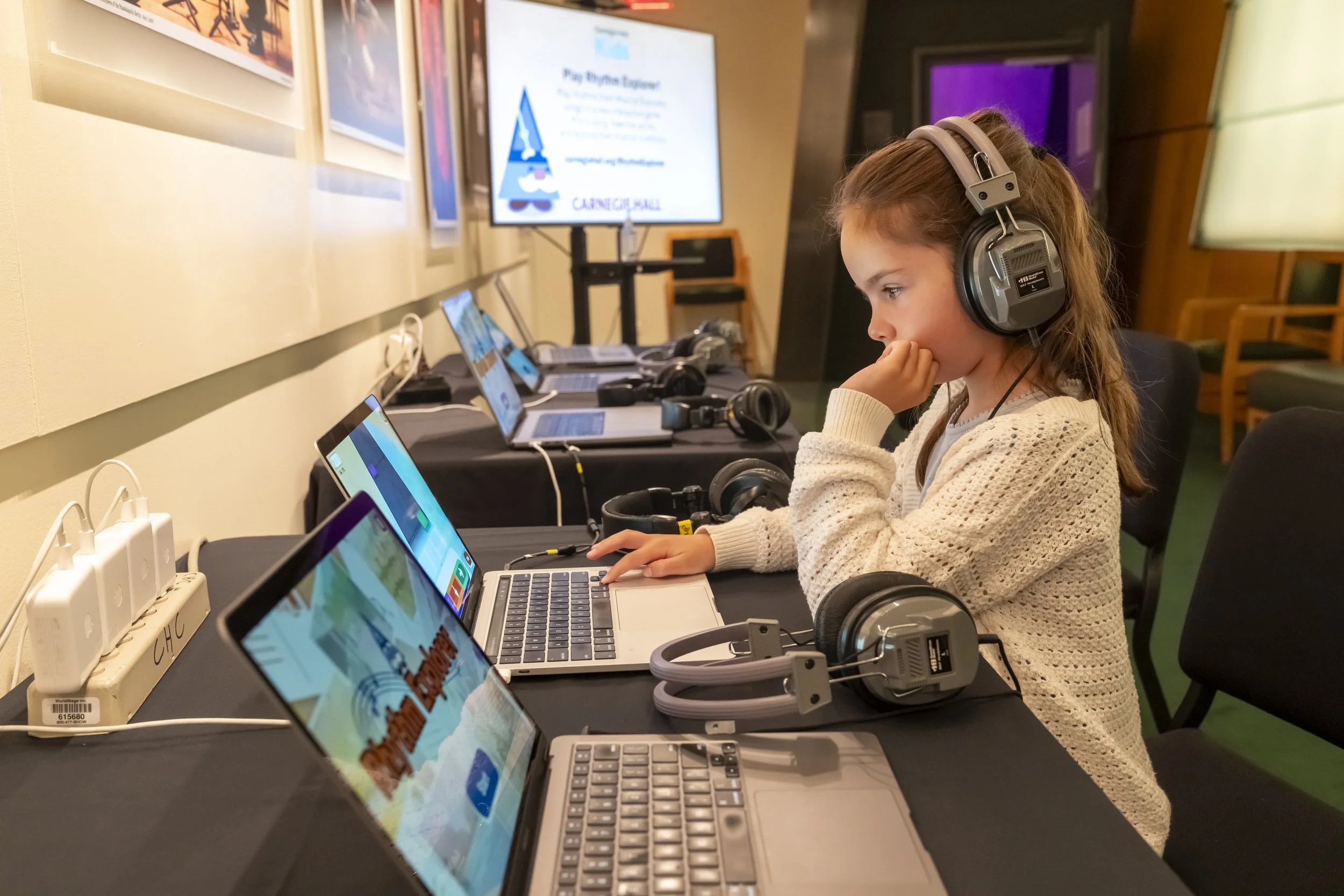
Photo courtesy of Carnegie Hall
This is similar to how we’re introduced to the music sphere. Falu Shah, one of the artists in Musical Explorers, is a great example of this. Her first year at Carnegie Hall, she had her mother and son singing alongside her. She told this beautiful story about how she learned to sing from her mother, who's now in her 90s. Her son, who is now a teenager, was seven when he started to sing at Carnegie Hall with his mom. We’ve watched him grow up with singing!
Milo Davidson: Starting with the Young People’s Concerts at Carnegie Hall conducted by Leonard Bernstein, interactive musical tradition has a long history here. Kids learn about music deeply, listen to the lyrics in songs, and get to sing, clap, and stomp along. In the modern world, through WMI’s programs, kids continue to learn music deeply—by bringing their recorders to Carnegie Hall concerts and performing alongside the performers, or through “Rhythm Explorer,” where kids learn the rhythm and movements of songs digitally, while still engaging with the songs as they would in person. This game provides an extension of the participatory aspects of Musical Explorers.
Matthew Williams: The access point is awesome here. Thousands of students can access this game who might otherwise not be able to attend a concert in person. Thousands of students have this personal connection to these artists, which can be quite inspiring for them.